Best Robot Vacuum for Hardwood Floors (2026)
Hardwood floors need a different approach than carpet. Too much suction kicks up dust. Stiff brushes leave scratches. The best models use soft rubber rollers, adjustable suction, and precision mopping to keep wood floors spotless without damage.
What matters on hardwood floors
- • Soft rubber rollers — won't scratch or scuff sealed wood
- • Adjustable suction — low mode prevents dust scattering on smooth surfaces
- • Precision mopping — controlled water flow that won't warp wood
- • LiDAR mapping — navigates around furniture legs without bumping
- • Edge cleaning — gets dust bunnies along baseboards where they collect

Flagship robot vacuum and mop with dual spinning mop pads, 10,000Pa suction, and AI obstacle avoidance.

High-performance robot vacuum-mop with MopExtend technology, 7,000Pa suction, and auto-mop lifting.
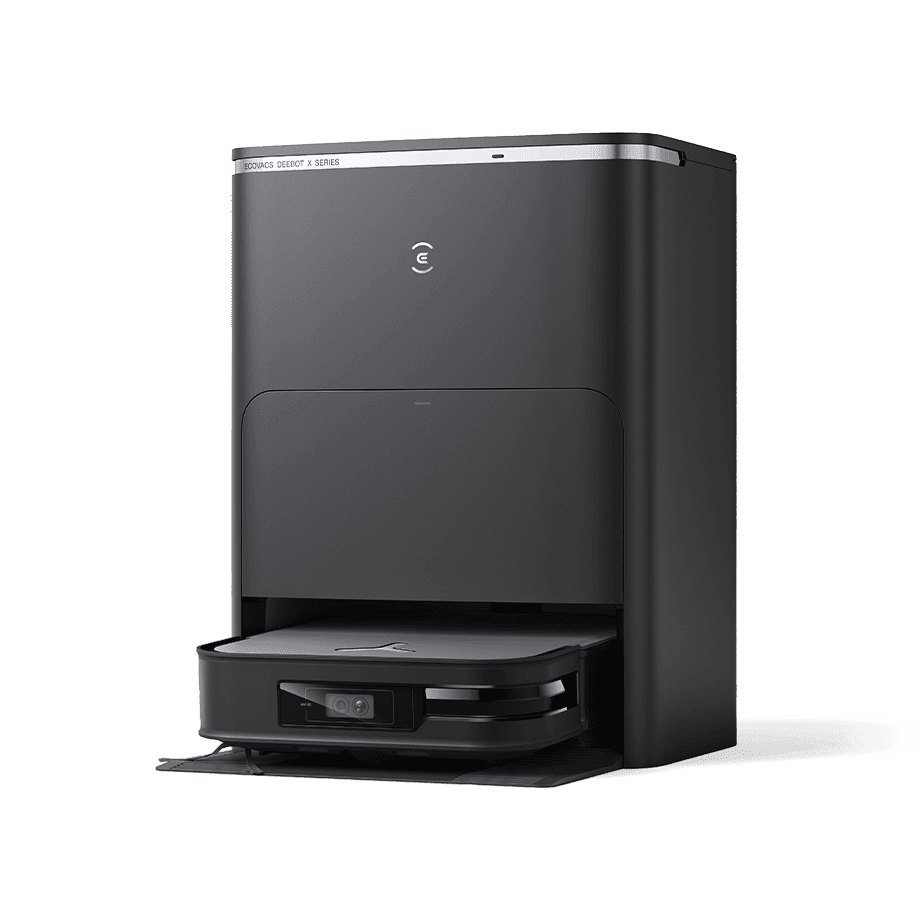
Square-shaped robot vacuum-mop with AIVI 3D obstacle avoidance, OZMO Turbo mopping, and 8,000Pa suction.

Mid-range robot vacuum-mop with 4,200Pa suction, LiDAR navigation, and auto-empty dock.
Budget-friendly LiDAR robot vacuum with 5,000Pa suction, auto-empty dock, and basic mopping.
Should You Get a Vacuum-Mop Combo for Hardwood?
Yes — mopping is arguably more important than vacuuming on hardwood. Dust and grit act like sandpaper underfoot, gradually dulling the finish. A robot that vacuums first and then mops with controlled water pressure removes both loose debris and stuck-on grime in one pass. Look for models with sonic mopping and automatic mop lifting so they only mop on hard floors and stay dry on carpet.
How to Protect Your Hardwood From Robot Vacuums
Even the best robot can cause damage if set up poorly. Keep suction on low or auto mode for sealed hardwood — max suction is for carpets. Make sure the wheels are clean and free of debris that could scratch. Check the brush roll monthly for trapped grit. And if you have unfinished or waxed wood, use the mop sparingly or skip it — water can stain unsealed surfaces.
Head-to-Head Comparisons
Can't decide between two models? See how they compare side by side.
Frequently Asked Questions
Can robot vacuums scratch hardwood floors?
Cheap models with stiff bristle brushes can leave micro-scratches over time, especially if grit gets trapped in the wheels. The models we recommend use soft rubber extractors and clean wheels that minimize this risk. Regular maintenance — clearing debris from wheels and rollers — keeps scratch risk near zero.
Is robot mopping safe for hardwood?
Yes, as long as your floors are sealed (polyurethane or similar finish). Modern robot mops use controlled water flow — nothing like dumping a bucket. The amount of moisture is comparable to a damp cloth. Avoid robot mopping on unfinished, waxed, or oiled wood where standing moisture can cause damage.
How often should a robot vacuum run on hardwood?
For most households, 3-4 times per week is ideal. Hardwood shows dust and pet hair more than carpet, so frequent light passes work better than infrequent deep cleans. If you have pets, daily runs on low suction will keep floors looking clean.